


Introduction
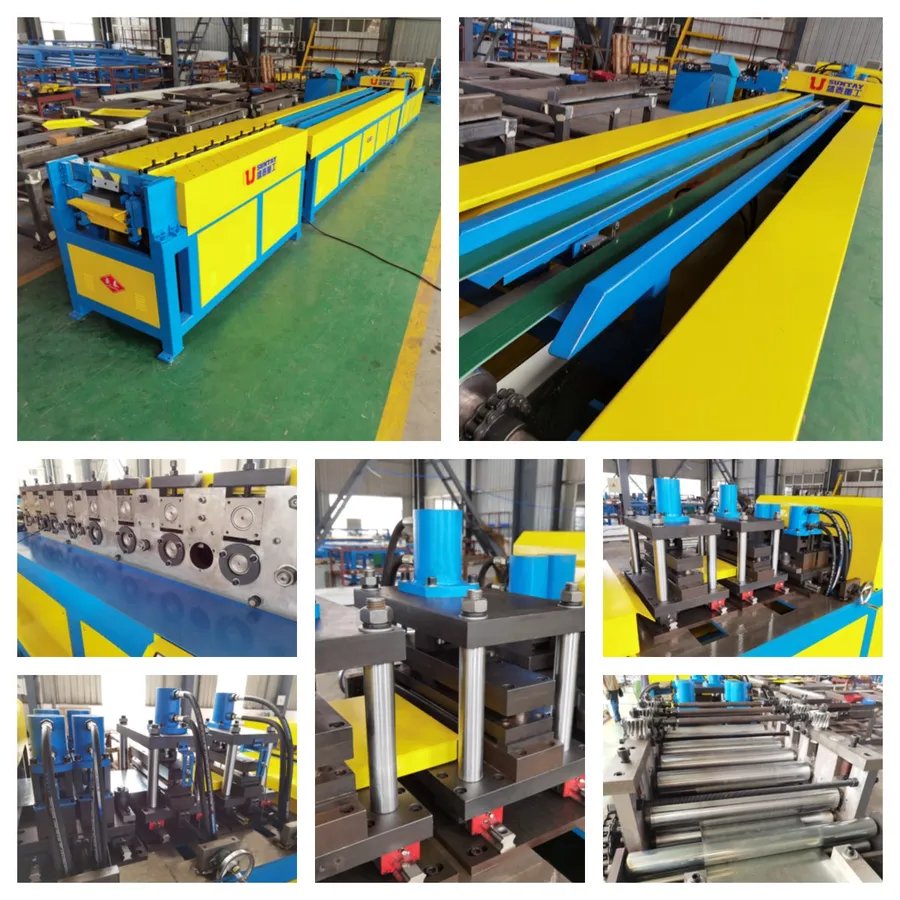
Damper machines should be serviced in the line of making them last longer and serving the expected reliability. Regular maintenance of these machines increases their performance to an extent, therefore, reducing the chances of downtime to a large extent, hence savings in costs. In an industrial setting, therefore, efficiency and durability of the machinery are paramount to production levels and consequent profitability. This means, therefore, that knowledge about the best practices towards maintaining such machines in good working conditions is priceless. The paper provides ten basic ideas on how to maintain a damper machine so that it lives longer to serve you better.
Tip 1: Regular Cleaning
It is very fundamental in the maintenance of the damper machine—keeping it clean: the dust, debris, among other contaminants, some of the reasons that would lead to increased wear and tear, hence breakdowns before due date. Always ensure you keep it clean, wiping surfaces and removing collected debris around moving parts like blades regularly. Make sure the right cleaning agents and tools are used so that the parts and components of the machine are not damaged. You should deep-clean the unit regularly—in the frequency that follows at most, unless better still, this is the case, or it is in high-dust areas.
Tip 2: Routine Inspections
Therefore, regular inspection of the condition is of paramount importance to capture faults before they develop into more complicated issues. At least quarterly, the annual comprehensive inspection of the damper machine should be effected. Look for signs of wear and tear, such as checking for any cracks, corrosion, or strange noise from moving parts. Ensure checking with particular attention being given to very critical components and confirm that all fasters are properly torqued. Early detection of potential issues can save time and money, preventing costly repairs and downtime.
Tip 3: Lubrication
Proper lubrication of moving parts is done to reduce friction and prevent wear, using the recommended lubricants for compatibility and effectiveness. This will then be done following the frequency the machine has been used and the environment in which it is working. The lubrication of the moving parts should, as per most manufacturers, be effected not less than six months, with most uses of the machines. Follow the manufacturer’s advice on the points and the type of lubrication to be applied.
Tip 4: Parts Replacement
The part may fail due to wearing and tearing of some of the parts from regular use if not checked and replaced for its worn-out condition, causing failure on machine operation and safety. The parts to be checked at regular intervals and to be replaced when found necessary are the ones that manifest deterioration. This includes different kinds of parts, such as seals, bearings, and other wearable components. Spare parts should be maintained with an appropriate level of required inventory to minimize downtime. Referencing the manufacturer’s guide on the life of parts can also aid in alerting one to failure before it actually occurs.
Tip 5: Calibration
1. Calibration ensures that your damper machine is always within the specified toleration, hence ascertaining that accuracy and efficiency are always held high. Because of use or environmental influences, with time, the mechanical components may have shifted out of alignment. Schedule calibration checks at intervals the manufacturer deems fit, or more frequently if the machine is put to heavy use. This is an aid for improving performance; hence, proper usage adds life to the machine rather than unnecessary stress on parts.
Tip 6: Avoid Overloading
Always overloading your damper machine will result in a serious breakdown and, at the same time, premature failure. Always keep check of the limit of capacity that the manufacturer put in the set guidelines because overworking, on the contrary, will make the machine overstress, overheat, and even wear out to breaking down at some point. Pay attention to the level of loading during operation and sensitize the operators on adherence to specified limits. Where a load-monitoring system exists, ensure its use to avoid overloading.
Tip 7: Use Quality Materials
The durability of your machine part is also determined by the quality of the material and the components used in the process. In case there is the use of poor-quality materials, they may compromise the performance and even bring about damages to the machine. You should make use of high-quality replacement parts compatible with the manufacturer’s recommendations and use high-quality material, respectively. These are the worthy investments done to reduce the necessity for repairs and make the effective life of equipment drastically longer while working on a constant level of performance.
Tip 8: Environmental Conditions
The operation environment is one big factor strongly influenced that it greatly impacts the damper machine’s maintenance requirement and life. This, with very high humidity, is extremely dusty, carrying corrosive chemicals that all come together to degrade faster. The machine should, therefore, be operated under conditions ideally conforming to the manufacturer’s specifications. Use dehumidifiers, dust extraction systems, and other environmental controls to maintain conditions. Checking and adjustment of the environment on a regular basis can avoid many of the common problems that can arise due to adverse conditions.
Tip 9: Training for Operators
These are the most important, and hence the integrity and life of your damper machine should be under proper operation. Proper training should be provided to all the operators for the operation of the machine when needed, including procedures of start-up, operation, and shut down. The operator is also skilled not to stress the machine using a mishandling mode of operation that can bring about wear and tear or stress up the machine. This can also be updated and refreshed through regular training to maintain high operational standards and awareness of the required maintenance.
Tip 10: Professional Maintenance
While routine maintenance can be done on-site, some parts of the damper machine may require professionals to look into them. For this purpose, regard service professionals for detailed checks of all maintenance, especially what entails intricate components not easily understood. Consider establishing a maintenance contract with a good and well-known service provider to ensure regular, professional maintenance. In this way, even the faults can be seen before they become faulty, and the maintenance can be cared for in the highest possible standard.
Conclusion
Here are ten helpful and useful guides on how to keep your damper machine maintained for service and longevity: In so doing, you will have reduced downtime, improved performance, and added valuable life to your asset. This, among other practices, consists of regular cleaning, routine inspections, and replacing parts when due. In view of the above, it will not just safeguard your investment but contribute toward smooth, effective work of your damper machine, hence taking care of your years of needs.


